Which Lutron Shades Should I Choose: Battery-Powered or Wired?
The right shading system for your home’s renovation stage.
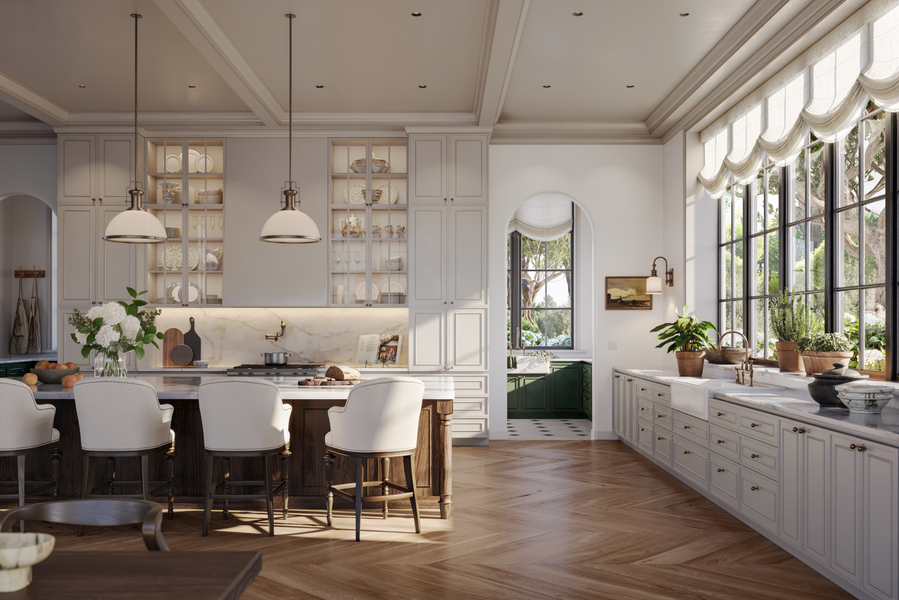
Image courtesy of Lutron. All trademarks and image rights are owned by Lutron.
Motorized shades are a transformative addition to any home. Imagine the light shifting automatically as you go about your day. You enjoy natural light and privacy exactly when you need it without lifting a finger.
But before you fall in love with a fabric swatch, there's a more practical question to answer first: battery-powered or wired? The answer usually comes down to where you are in your renovation, and not simply personal preference.
Battery-Powered Shades Work Best for Retrofits
If your walls are already finished and you're not planning to open them up, battery-powered shades are your best option. They run on rechargeable batteries that typically last three to five years, and they communicate wirelessly with systems like Lutron RadioRA 3 or HomeWorks (depending on the model). Press "Good Morning" on your keypad or app, and the shades rise while your lights brighten in the same motion.
Battery-powered shades make the most sense when:
-
You're upgrading an existing home without opening the walls
-
Windows sit in places where running wire would be disruptive or costly
-
You're adding shades to a handful of rooms, not the whole house
-
You need a faster installation timeline
From a day-to-day standpoint, battery-powered shades feel identical to wired ones. The one tradeoff: someone eventually has to swing a ladder up to a hard-to-reach window and swap batteries, and they won't all die on the same schedule. For a house here in Charleston with a mix of standard and oversized windows, that's worth planning for ahead of time, not after the fact.
Wired Shades Are the Better Long-Term Investment
If your walls are open, or you're building new, wired is worth the extra step. Products like Lutron's Palladiom or Sivoia shades draw constant low-voltage power, so there's nothing to charge or replace. A Palladiom shade without a fascia sits with less height in the window box, which lets your installer build a clean, recessed "pocket" for the shade — a detail that matters if you want the window to look finished with the shade fully raised.
For a large home with dozens of motorized windows, that reliability adds up. Wired shades also integrate more tightly with panelized systems like Lutron HomeWorks, so your shading responds instantly alongside your lighting scenes throughout the day.
Matching Style to Substance
Once you've settled on battery or wired, the fabric and style decision is the fun part:
-
Motorized drapery: custom fabrics, or your existing curtains, retrofitted with a motor, for a softer, more traditional look
-
Motorized blinds: wood, vinyl, or paintable composite, ideal when you want a tailored, architectural feel
-
Roller shades: clean and minimal, best for a modern, understated window
-
Roman or cellular shades: added texture and insulation, a good fit for bedrooms or anywhere you want extra light and temperature control
Ready to Talk Through Your Shading Options?
Whether you're retrofitting a few rooms or wiring an entire new build here in the Charleston area, we'll help you match the right shading system to your home and your timeline. Schedule a consultation with Custom Home Sound, and we'll walk through your space with you before you decide on anything.